
High-demand appliances need their own circuit because they draw more current than a shared circuit can reliably carry. When a refrigerator, dryer, electric range, EV charger or home office shares a line with other loads, you get tripped breakers, voltage drops that damage motors and electronics, and overheated wiring that can start a fire inside your walls. The National Electrical Code (NEC) requires dedicated circuits for many major appliances, and adding them is one of the most practical upgrades a Granbury homeowner can make.
If your breaker trips every time you run the microwave with the coffee maker or air fryer, or your dryer seems to slow down the rest of the house, you are not imagining it. This guide explains how dedicated circuits work, which appliances need them, and what installation involves.
What Is a Dedicated Electrical Circuit?
A dedicated circuit runs directly from your breaker panel to one specific appliance, outlet or connection point. No other outlet, light or device shares it, so every amp of its capacity is reserved for that one load.
Most standard household circuits are 15 or 20 amps and power several outlets and fixtures across a room or zone. That works fine for lamps, phone chargers, televisions and small electronics. Plug a refrigerator, dishwasher or washing machine into the same circuits and you are asking a system built for light loads to carry heavy ones. The result over time is nuisance trips, overheating wires, voltage fluctuations and, in serious cases, electrical fires.
Local inspectors in Hood County and surrounding areas enforce NEC dedicated circuit requirements during new construction and permitted renovations. Even where a dedicated circuit is not strictly required, installing one for high-demand equipment is smart electrical planning. Older homes may never have had the required circuits, or have circuits that no longer meet current standards. Our faulty wiring page covers related warning signs.
Which Appliances Need a Dedicated Circuit?
Kitchen Appliances
The kitchen is the most circuit-intensive room in most homes. The NEC requires at least two 20-amp small appliance circuits for countertop outlets, plus separate dedicated circuits for the refrigerator, dishwasher and built-in microwave.
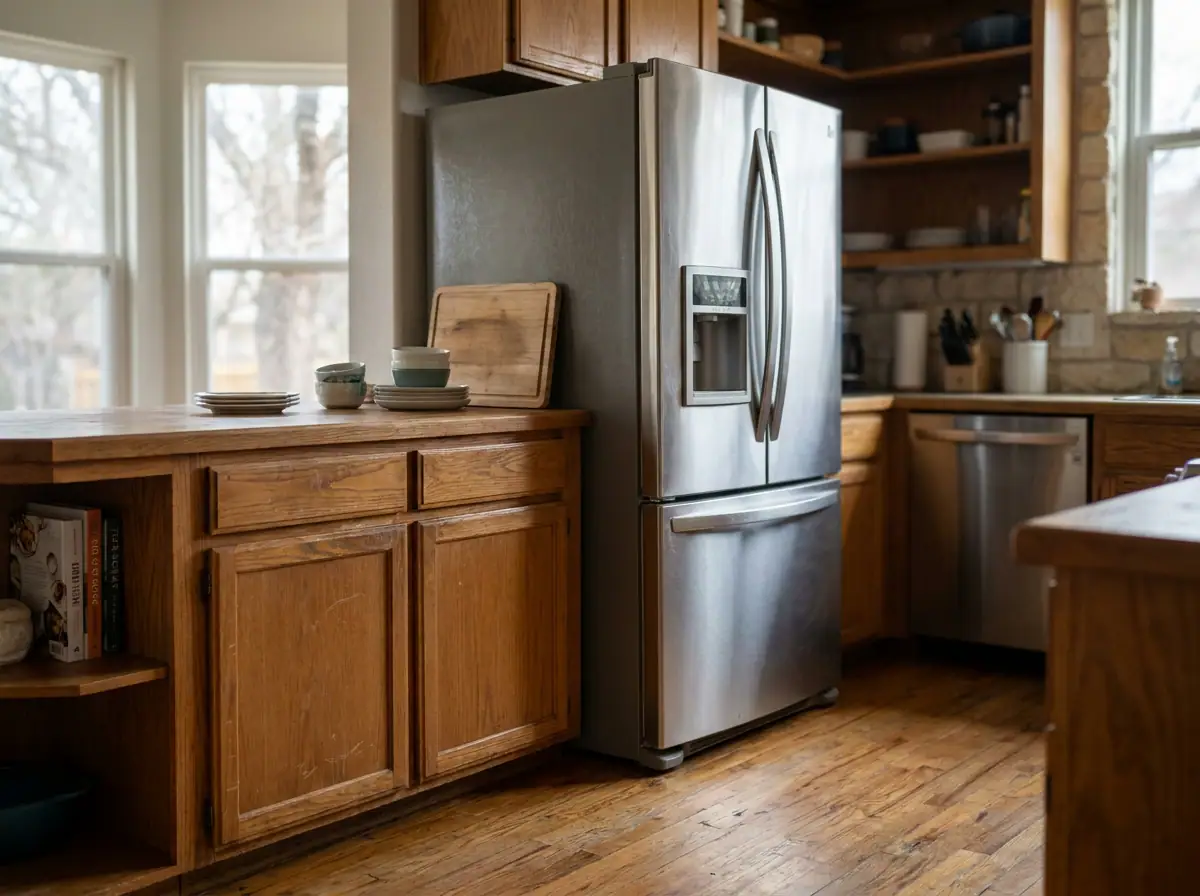
- Refrigerators: they cycle on and off all day, drawing a surge each time the compressor starts. A dedicated 20-amp circuit keeps those surges from affecting other devices and protects the compressor from voltage fluctuations.
- Dishwashers: they draw significant power during the heating cycle and need a dedicated 20-amp circuit.
- Microwaves: built-in and over-the-range models typically need a dedicated 20-amp circuit. Countertop models often share, but if yours trips the breaker, it needs its own line.
- Electric ranges and wall ovens: among the highest-demand appliances in any home. Electric ranges require a dedicated 240-volt, 50-amp circuit.
- Garbage disposals: typically their own 20-amp circuit.
If your kitchen was wired 20 or 30 years ago, there is a good chance it does not meet modern standards.
Laundry Room
Electric dryers require a dedicated 240-volt, 30-amp circuit. Washing machines need their own 20-amp, 120-volt circuit. A laundry room wired as part of a general circuit is likely undersized for modern machines, especially front-loaders with heated cycles, and sharing causes tripped breakers, motor strain and wiring damage.
HVAC Systems, Water Heaters and Space Heaters
Central air conditioners, heat pumps, electric furnaces and electric water heaters are among the largest loads in any home. They need dedicated 240-volt circuits with breakers and wire sized to the unit. Running them on a shared or undersized circuit is a code violation and a genuine hazard. If your HVAC system was upgraded to a larger unit but the wiring was not updated with it, that mismatch creates safety concerns over time.
Portable space heaters are one of the leading causes of overloaded circuits in homes not designed for extra heating. If you rely on them in winter, talk to a licensed electrician about your circuit load before it becomes an emergency.
Home Offices
Multiple monitors, a desktop workstation, a laser printer, a NAS (network attached storage) device and video conferencing equipment can put a surprising load on a shared circuit. Shared circuits also expose sensitive electronics to voltage fluctuations when other devices cycle on and off. A dedicated office circuit protects your equipment, reduces the risk of data loss from power events and keeps you connected. Pairing it with whole-home or point-of-use surge protection is an excellent strategy.
EV Chargers
Level 2 home chargers run at 240 volts and require a dedicated circuit, typically 40 to 50 amps (the charger itself may pull 30 to 50 amps). This is non-negotiable: a Level 2 charger on a shared circuit would overload virtually any standard branch circuit, and using anything other than a properly installed dedicated circuit is a significant safety risk that will almost certainly void the charger's warranty.
Hot Tubs, Saunas and Pool Equipment
Hot tubs, saunas and pool pumps need dedicated circuits, often with GFCI protection. Hot tubs and spas require a dedicated 240-volt, GFCI-protected circuit and a disconnect box within sight of the unit. High current plus proximity to water makes correct sizing and protection critical.
Garage Workshops
Table saws, air compressors and welders pull enormous inrush current when they start, which trips shared breakers or causes voltage drops on other devices. Dedicated workshop circuits let you run equipment safely without losing power mid-cut. If you are planning a garage upgrade, our remodel services can help design a circuit layout that fits how you use the space.
Home Theater Systems
Not always code-required, but a dedicated circuit for large AV equipment helps eliminate interference and protects sensitive electronics.
The Risks of Running High-Demand Appliances on Shared Circuits
A tripping breaker is a safety mechanism doing its job. The real danger comes when a breaker fails to trip, or when wiring is too old to protect against overloads.
- Overheating wiring: wires carrying more current than they are rated for heat up inside your walls, insulation degrades, and the risk of an arc fault or fire rises. Undersized wire is one of the most common causes of residential electrical fires.
- Appliance damage: voltage drops shorten the life of motors and compressors in refrigerators, HVAC systems and dryers.
- Nuisance breaker trips: frequent tripping is a sign your panel is under stress. See our breaker trips service.
- Code violations: a home without the required dedicated circuits may not pass inspection when you sell or refinance. Fixing it proactively is far easier than under a real estate deadline.
Signs Your Home Needs Additional Dedicated Circuits
- Breakers trip when certain appliances run, or when two or more kitchen appliances run at once, especially in the kitchen or laundry room
- Lights flicker or dim when the AC, refrigerator or another large appliance cycles on
- Outlets or wall plates feel warm near high-use appliances
- A burning smell near outlets or your electrical panel
- Appliances underperform, take longer than expected or cycle on and off unexpectedly
- Frequent trips in a home office or entertainment room with several devices running
- Your panel has limited open slots, is at capacity or runs tandem breakers (two breakers sharing a slot)
- You are adding a hot tub, EV charger or workshop
- You are buying a home more than 20 to 30 years old whose electrical system has not been evaluated
- You are remodeling or adding a kitchen, laundry room or bathroom
If two or more of these apply, it is time to talk to a licensed electrician. The fix is often straightforward, and far cheaper than damaged appliances, a failed inspection or a preventable fire.
How Many Circuits Can Your Panel Support?
It depends on your panel. Many older homes in the Granbury area have 100-amp or 150-amp panels that were adequate in their era but are stretched thin by modern appliances, home offices and EV chargers. A home with significant demands often benefits from a 200-amp panel with plenty of open breaker slots. If your panel is at or near capacity, adding circuits without upgrading first can create problems, and a panel upgrade or a subpanel may be the right next step.
What the Installation Process Looks Like
Most dedicated circuit installations are straightforward and completed in a single visit, especially when the panel has open slots and the appliance location is accessible. Longer runs through finished walls or attics may take more time.
- Assessment and planning: we check your panel's capacity and current breaker load, identify existing issues, confirm the right breaker size and plan the routing path from the panel to the appliance.
- Permitting: in most cases in Hood County and the surrounding area, dedicated circuits for new appliances or significant additions need an electrical permit. We handle it.
- Wire routing: the wire gauge is matched to the circuit's amperage, which is set by the appliance (15, 20, 30 or 50 amps). For example, a 20-amp circuit requires 12-gauge wire and a 30-amp circuit requires 10-gauge wire.
- Connection point: a standard 120-volt outlet, a 240-volt outlet for a dryer or EV charger, or a hardwired connection for equipment like a built-in oven or HVAC unit.
- Breaker and testing: the new breaker is installed, connections are made, and the circuit is tested under load for proper operation, correct voltage and safe grounding before we clean up.
- Inspection: where a permit was required, we coordinate the final inspection, which gives you documentation that the work was done to code.
You will know the scope, cost and timeline before we pick up a tool. Learn more on our circuit installation page.
Code Compliance and Permits
Electrical work in Texas must be performed by a licensed electrician, and depending on scope a permit may be required. Unpermitted work can cause problems when you sell, void your homeowner's insurance coverage in the event of an electrical fire, and leave you with wiring that has never been inspected.
The Long-Term Value of Getting It Right
As more devices, appliances and vehicles run on electricity, demands on home electrical systems keep growing. A home with a properly sized panel, code-compliant wiring and dedicated circuits for major appliances is more attractive to buyers, and catching up on electrical deficiencies before listing saves time and negotiation headaches. On safety, overloaded circuits are a leading cause of residential electrical fires, and the cost of a dedicated circuit is small next to the cost of a house fire.
Frequently Asked Questions
What is a dedicated circuit?
A circuit that runs from your panel to one appliance or outlet only, with its full capacity reserved for that load.
Does a home office need a dedicated circuit?
It is strongly recommended for offices with several monitors, a workstation, printer or storage device. It prevents trips and protects electronics from voltage fluctuations.
What circuit does a Level 2 EV charger need?
A dedicated 240-volt circuit, typically 40 to 50 amps.
What does a hot tub need?
A dedicated 240-volt, GFCI-protected circuit and a disconnect box within sight of the unit.
What wire size goes with a 20-amp or 30-amp circuit?
A 20-amp circuit requires 12-gauge wire; a 30-amp circuit requires 10-gauge wire.
Do I need a permit?
In most cases in Hood County and the surrounding area, yes, for dedicated circuits serving new appliances or significant additions. A licensed electrician handles it.
How disruptive is installation?
Most installations are finished in a single visit. Complex runs through finished walls or attics may take longer.
Revamped Electric is a veteran-owned electrical company in Granbury, founded by U.S. Navy veteran Austin Barrett and local electrician Nicholas Torres, serving Hood, Parker, Johnson and Somervell counties including Tolar, Stephenville, Aledo, Mineral Wells, Benbrook, Weatherford, Hudson Oaks and West Fort Worth. For an honest assessment and a straightforward quote, call 817-677-0036 or request a quote.