

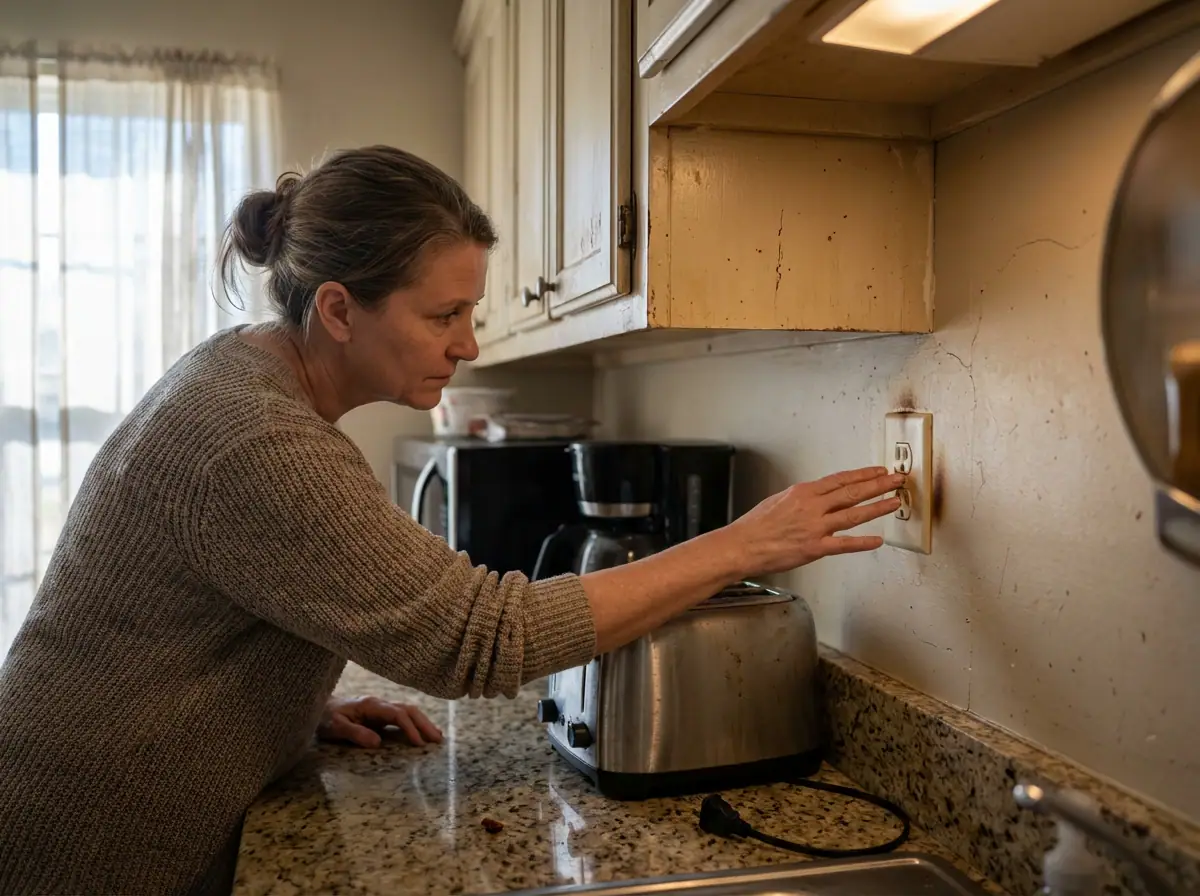
Electrical fires account for an estimated 51,000 home fires each year in the United States, resulting in nearly 500 deaths, 1,400 injuries, and $1.3 billion in property damage. For Granbury homeowners, understanding how to prevent electrical fires isn’t just about protecting your property; it’s about safeguarding your family and peace of mind. While many homeowners focus on smoke detectors and fire extinguishers, the real key to fire prevention lies in identifying and addressing electrical hazards before they become dangerous.
The good news is that most electrical fires are preventable. By recognizing the warning signs, understanding common risk factors, and implementing proven prevention strategies, you can dramatically reduce your home’s fire risk. In this comprehensive guide, we’ll walk you through everything Granbury homeowners need to know about electrical fire prevention, from spotting early warning signs to making critical safety upgrades.
Understanding the Leading Causes of Electrical Fires in Residential Homes
Before you can effectively prevent electrical fires, it’s essential to understand what causes them. Electrical fires don’t usually happen without warning. They’re typically the result of ongoing issues that worsen over time until they reach a critical point.
Outdated or damaged wiring is the single largest contributor to residential electrical fires. Homes built more than 40 years ago often have wiring systems that weren’t designed to handle modern electrical demands. As insulation deteriorates and connections loosen, the risk increases exponentially. Many older Granbury homes still have outdated wiring materials that pose serious safety concerns.
Overloaded circuits represent another major fire hazard. When too many appliances or devices draw power from a single circuit, the wiring heats up beyond safe levels. This excessive heat can melt insulation, damage connections, and ignite surrounding materials. If your breaker trips frequently, it’s often a sign that your circuits are being pushed beyond their capacity.
Faulty or damaged outlets and switches also create fire risks. Loose connections generate heat and electrical arcing, which can ignite nearby combustible materials. Outlets that feel warm to the touch, show discoloration, or emit burning smells require immediate professional attention. Our team at Revamped Electric regularly addresses these hazards before they escalate into emergencies.
Critical Warning Signs That Your Home Has Electrical Fire Risks
Your home’s electrical system provides numerous warning signs before a fire occurs. Learning to recognize these indicators can give you the time needed to address problems before disaster strikes.
Visual and Sensory Warnings
Discoloration around outlets or switches is one of the most obvious warning signs. Brown or black marks indicate heat damage or electrical arcing. Similarly, a burning smell, especially one that resembles burning plastic, should never be ignored. This odor typically indicates overheating wires or melting insulation.
Flickering or dimming lights often suggest loose connections or circuit overloads. While occasional flickering might seem minor, persistent issues point to serious underlying problems. Pay special attention if lights dim when major appliances cycle on, as this indicates your electrical system is struggling to meet demand.
Warm or hot outlets and switch plates indicate dangerous heat buildup. Outlets should always remain cool to the touch during normal operation. Heat suggests loose connections, damaged wiring, or circuit overload, all of which can lead to fires.
Audible Warning Signs
Buzzing, sizzling, or crackling sounds from outlets, switches, or your electrical panel are never normal. These noises indicate electrical arcing, loose connections, or failing components. Arcing generates extreme heat and can easily ignite surrounding materials.
If you hear these sounds, turn off power to the affected area immediately and contact a licensed electrician. These situations require urgent professional evaluation and should never be treated as minor inconveniences.
High-Risk Areas and Components That Require Regular Monitoring
Certain areas and components in your home deserve special attention when it comes to fire prevention. By focusing your monitoring efforts on these high-risk zones, you can catch problems early.
Your Electrical Panel
Your electrical panel is the heart of your home’s electrical system. Signs of trouble include rust or corrosion, a burning smell, warm or hot panel surfaces, and breakers that trip repeatedly. Panels over 25 years old often lack modern safety features and should be evaluated for replacement. If you’re experiencing these issues, you may need panel upgrades to ensure your home’s safety.
Kitchen and Laundry Room Circuits
Kitchens and laundry rooms contain high-wattage appliances that place significant demands on your electrical system. Refrigerators, dishwashers, microwaves, washing machines, and dryers all require substantial power. When these appliances share circuits with other devices, overloads become likely.
Modern electrical codes require dedicated circuits for major appliances precisely because of fire risks. If your kitchen outlets can’t handle your coffee maker and toaster running simultaneously without tripping breakers, your circuit configuration needs professional attention.
Extension Cords and Power Strips
Extension cords are designed for temporary use, not permanent solutions. Using extension cords as long-term wiring alternatives creates multiple fire hazards. The cords can become damaged, connections can loosen, and circuits can overload.
Power strips offer some protection but can still be overloaded. Never daisy-chain multiple power strips together, and avoid plugging high-wattage appliances like space heaters into power strips. If you find yourself relying heavily on extension cords and power strips, you likely need additional outlets installed to meet your actual electrical needs.
Essential Prevention Strategies Every Granbury Homeowner Should Implement
Preventing electrical fires requires a combination of proper maintenance, smart usage habits, and strategic upgrades. Here are the most effective strategies to protect your Granbury home.
Schedule Professional Electrical Inspections
Professional electrical inspections are your best defense against hidden hazards. Licensed electricians can identify problems that aren’t visible to homeowners, including deteriorating wiring inside walls, loose connections, code violations, and inadequate grounding.
Experts recommend comprehensive electrical inspections every 3-5 years for homes under 25 years old, and every 1-3 years for older homes. Additionally, schedule inspections before purchasing a home, after major storms or flooding, when planning renovations, or if you notice any warning signs discussed earlier.
Upgrade Outdated Electrical Components
Investing in electrical upgrades significantly reduces fire risk while improving your home’s functionality and value. Priority upgrades include replacing outdated electrical panels, installing AFCI (Arc Fault Circuit Interrupter) breakers that detect dangerous arcing, adding dedicated circuits for major appliances, and upgrading old or damaged wiring throughout your home.
While these upgrades require upfront investment, they provide long-term protection and often reduce insurance premiums. Many Granbury homeowners discover that electrical upgrades pay for themselves through increased safety, improved efficiency, and higher property values.
Practice Safe Electrical Usage Habits
Daily habits play a crucial role in fire prevention. Simple practices can dramatically reduce your risk. Never overload outlets or circuits; as a general rule, avoid plugging multiple high-wattage devices into the same outlet. Unplug appliances when not in use, especially heat-generating devices like toasters, irons, and hair styling tools.
Replace damaged cords immediately rather than trying to repair them with tape. Keep flammable materials away from electrical devices and outlets. Use the correct wattage bulbs in light fixtures, as higher wattage bulbs generate excess heat. Finally, ensure adequate ventilation around appliances and electronics to prevent heat buildup.
Install and Maintain Safety Devices
Modern safety devices provide critical protection layers. AFCI breakers detect dangerous electrical arcing and shut off power before fires start. GFCI outlets protect against ground faults and electrical shock, particularly important in bathrooms, kitchens, and outdoor areas. Whole-house surge protectors safeguard against voltage spikes that can damage wiring and components.
Smoke detectors and carbon monoxide detectors provide early warning if fires do occur. Install these devices on every level of your home, inside bedrooms, and outside sleeping areas. Test them monthly and replace batteries annually.
When to Call a Professional Electrician Immediately
Some electrical situations require immediate professional intervention. Don’t delay calling a licensed electrician if you experience frequent breaker trips, burning smells from outlets or your electrical panel, sparking or arcing from outlets or switches, outlets or switches that are hot to the touch, flickering lights throughout your home, or buzzing sounds from your electrical system.
Additionally, if your home is over 40 years old and hasn’t had an electrical inspection in recent years, or if you’re planning any renovation projects, professional evaluation is essential. Attempting DIY electrical repairs can make problems worse and puts you at serious risk of shock or fire.
Protecting Your Granbury Home Starts With Electrical Safety
Electrical fire prevention isn’t about living in fear. It’s about taking smart, proactive steps to protect what matters most. By understanding the causes of electrical fires, recognizing warning signs, and implementing proven prevention strategies, you can dramatically reduce your home’s fire risk.
The electrical demands placed on modern homes continue to increase. Smart home devices, electric vehicles, home offices, and entertainment systems all require substantial power. Ensuring your home’s electrical system can safely handle these demands isn’t optional; it’s essential for your family’s safety.
Regular professional inspections catch problems before they become emergencies. Strategic upgrades improve safety while enhancing your home’s functionality. Smart daily habits minimize risk during routine activities. Together, these approaches create multiple layers of protection that keep your Granbury home safe.
Don’t wait for warning signs to take action. If your home hasn’t had a professional electrical inspection recently, or if you’ve noticed any of the warning signs discussed in this article, now is the time to address them. The team at Revamped Electric specializes in helping Granbury homeowners identify and resolve electrical hazards before they become dangerous. Contact us today to schedule a comprehensive electrical safety evaluation and gain the peace of mind that comes from knowing your home’s electrical system is safe, compliant, and ready to meet your family’s needs for years to come. Visit our services page to learn more about how we can protect your home.